Tag: Jocelyn Rylee Page 1 of 3

Why Doctors Are Rethinking CrossFit and Injury

Dr. Amy West has spent more than a decade bridging two worlds that rarely talk to each other: modern medicine and CrossFit.

As a sports medicine physician and competitive CrossFit athlete, West has seen firsthand how high-intensity functional training can transform health, rehabilitation, and long-term physical function. But inside the medical world, CrossFit has long carried a reputation for being dangerous or extreme.

In this conversation with Jocelyn Rylee, West explains how that perception developed and why the research now tells a very different story.

They discuss the emerging science behind high-intensity functional training, how metabolic disease impacts musculoskeletal health, and why improving strength and movement quality can prevent injuries rather than cause them.

West also shares insights from her new textbook on high-intensity functional training and explains why doctors should think of physical function as a vital sign alongside traditional biomarkers.

This episode explores how CrossFit can help close the gap between healthcare and real-world fitness while giving people the tools to stay strong, independent, and capable for life.

Topics Covered

  • The medical evidence behind high-intensity functional training
  • Why CrossFit injury rates compare favorably to other sports
  • The connection between metabolic health and musculoskeletal injury
  • Why physical function should be treated as a vital sign in medicine
  • How CrossFit affiliates could become partners in healthcare

Resources Mentioned

Community Highlight 

Bailey Steele built her whole identity around soccer. In the pursuit of being the best, training got harder, calories got lower, and every part of her life started revolving around performance and appearance.

Eventually, her body gave out. Severe stomach pain sent her to the hospital, where doctors diagnosed her with SMA syndrome caused by extreme weight loss — along with anorexia.

Treatment became a turning point. Being surrounded by others facing similar struggles helped Bailey see how dangerous it was to let food, weight, or sport define her worth.

Now she’s rebuilding her identity around something deeper — her faith, and caring for her body so it can serve a greater purpose.

Last year, Bailey got to experience the CrossFit Games as a VIP, including a private coaching session and a few unforgettable moments behind the scenes — a reminder of how far she’s come.

Because in her darkest moment, one message stuck with her: Your story is not over.

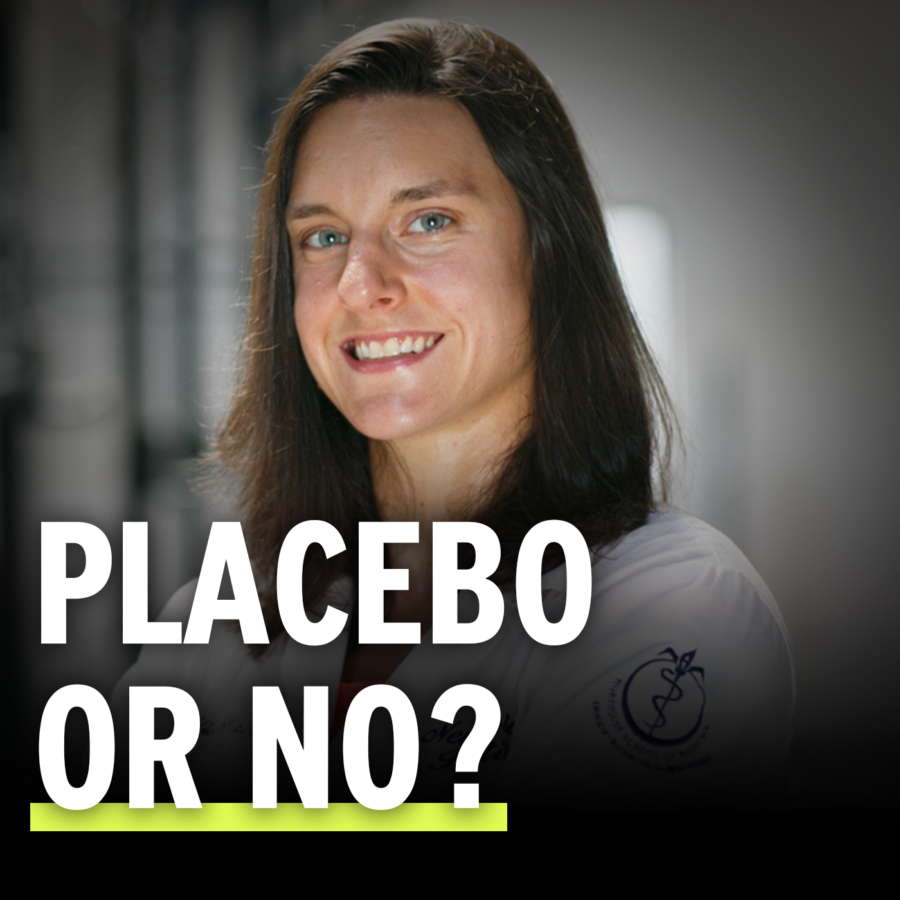
Image of Dr. Allison Brager with Caption PLACEBO OR NO?

The Truth About Caffeine for CrossFit Athletes

Caffeine is the most widely used psychoactive substance in the world, and it is deeply embedded in fitness culture. Coffee, pre-workout, and energy drinks are often treated as essential tools for training and performance.

But what does the science actually say?

In this episode of the CrossFit Podcast, host Jocelyn Rylee sits down with sleep scientist and active duty Army neuroscientist Dr. Allison Brager to examine the relationship between caffeine, sleep, recovery, and performance.

Brager explains how caffeine works in the brain, why tolerance changes its effectiveness, and why the perceived boost athletes feel during workouts does not always translate into measurable performance gains. The conversation explores research on caffeine and CrossFit workouts, the role of sleep deprivation in caffeine effectiveness, and why energy drinks may carry neurological risks when used chronically.

They also discuss strategic caffeine use for athletes, military personnel, and first responders who face sleep disruption.

If you train hard, rely on caffeine, or want to improve performance without compromising recovery, this conversation will challenge what you think you know.

Topics Covered

  • How caffeine blocks adenosine and promotes alertness in the brain
  • Research on caffeine and CrossFit workouts
  • Why perceived effort improves with caffeine even when performance does not
  • The neurological and mental health risks linked to heavy energy drink use
  • Strategic caffeine dosing for athletes, military personnel, and shift workers

Resources Mentioned

Community Highlight 

Michael Atkinson grew up in Napa, California, the son of immigrants from Trinidad and Mexico, in a neighborhood where gangs often filled the gaps that opportunity didn’t.

At 19, he was facing charges that could’ve meant life in prison. Instead, he was given one last option: complete a court-ordered recovery program or serve eight years.

That program introduced him to CrossFit.

After watching a regional event, the men in the program tried the workout themselves. It wrecked them … and hooked them. For Michael, it became the identity that replaced the one he was trying to leave behind.

He wrote down two goals: become a competitor and become a coach.

Years later, he bought the very affiliate where he once showed up asking for an internship — CrossFit Novato.

Today, he coaches firefighters, local teams, and everyday adults, and offers scholarship memberships for people who need a second chance because he knows exactly what that can mean.

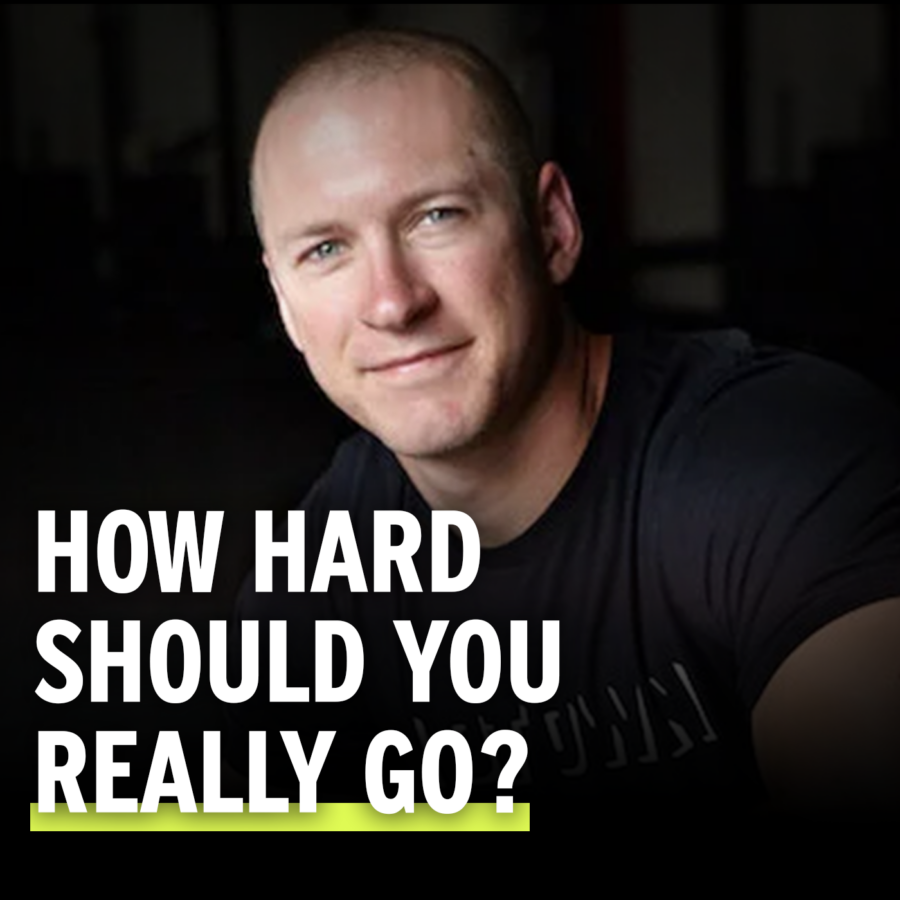
Image of Bill Anthes with text HOW HARD SHOULD YOU REALLY GO?

Rucking, Psychedelics, and the Truth About Mental Fitness

Former Green Beret, longtime CrossFit coach, and licensed therapist Bill Anthes joins Jocelyn Rylee for a conversation that cuts straight to the heart of what it means to train the whole human. Drawing from military selection, years on Seminar Staff, clinical practice, psychedelic integration work, and the creation of the Ruck Race League, Bill explores the deep connection between physical stress, psychological patterns, and nervous-system awareness.

He and Jocelyn dig into failure as a training tool, why monotonous work exposes truth, how coaches can hold space without overreaching, and what it means to listen to the body instead of overriding it. 

Topics Covered

  1. Using physical stress to access deeper psychological insight
  2. Coaching beyond mechanics: listening, curiosity, and psychological tolerance
  3. Failure as an intentional training tool and catalyst for growth
  4. The rise of rucking as both sport and self-exploration
  5. Psychedelic preparation and integration through a whole-person lens

Resources Mentioned

Community Highlight

Parker Fontecchio is a beacon of hope for the younger generation of CrossFit athletes. At 24 years old, he’s not only the head coach at CrossFit Tempe, but also dedicates his life to raising funds for veteran causes using his fitness.

He’s carried 22 lb for 72 miles to raise awareness for veteran suicide, flipped a tire for 24 hours, rope-climbed the height of Everest, and most recently pulled a truck for 31 miles.

Every challenge is powered by CrossFit and a mission to show what’s possible when you refuse to quit — especially for the veterans who often feel forgotten.

“Every event might look individual, but there’s always a crowd around me — friends, family, my gym,” Parker says. That’s what makes CrossFit, CrossFit.”

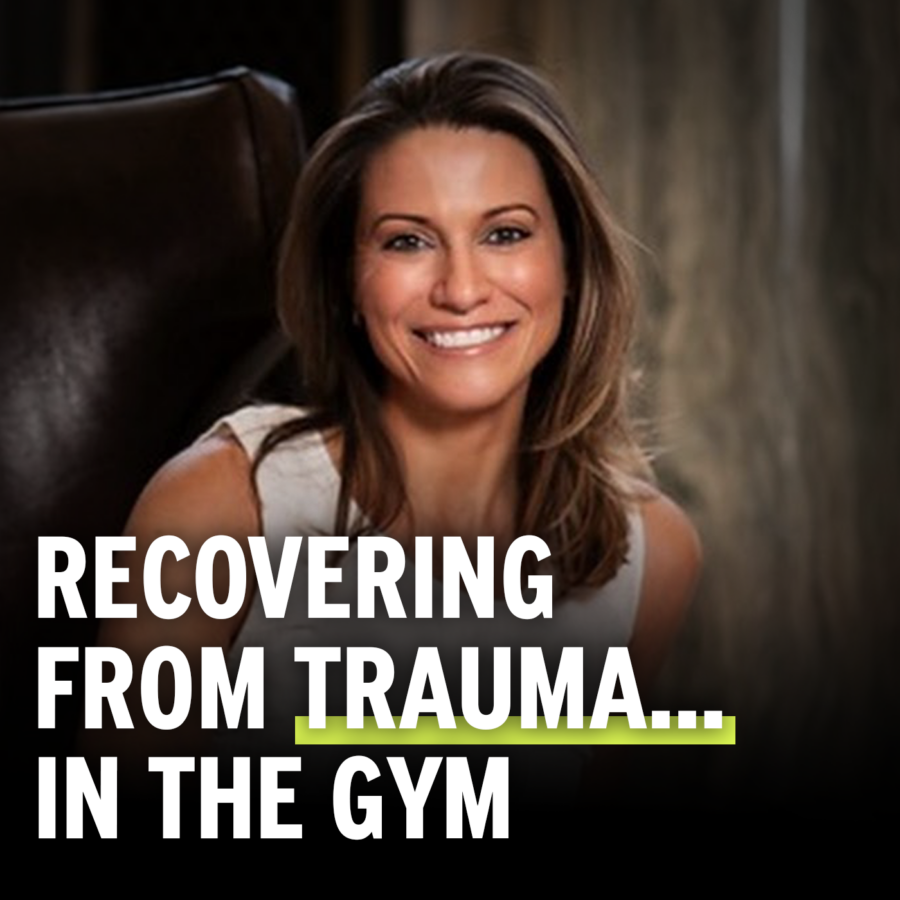
Image of Dr. Stephanie Arel with the text RECOVERING FROM TRAUMA... IN THE GYM

How to Use CrossFit to Support Trauma Recovery

What if trauma recovery is not just about talking, but about training?

In this episode, host Jocelyn Rylee sits down with Dr. Stephanie Arel, whose work bridges religion and psychology. She holds a master’s degree in religion and psychiatry, and a Ph.D. in theology and trauma studies, along with clinical training and experience working at an eating disorder hospital. Drawing on her academic research, clinical work with trauma survivors, and personal journey as a CrossFit athlete, Arel explores how CrossFit’s methodology intersects with trauma recovery.

Arel explains how trauma permanently alters the stress system and why trauma recovery must involve the body, not just the mind. They unpack big T and little T trauma, how triggers show up in the gym, and why high-intensity training can help recalibrate the nervous system when paired with agency, trust, and appropriate scaling. The conversation explores the parallels between EMDR therapy and constantly varied functional movements, the role of competence in reducing fear, and why community is essential for recovery.

This is not about turning coaches into therapists. It is about becoming trauma-informed, understanding how stress and physiology interact, and recognizing the profound impact of intensity, skill development, and community inside a CrossFit affiliate.

If you care about mental health, nervous system regulation, coaching, or the deeper effects of training, this conversation will change how you see your next workout.

Topics Covered

  • The difference between big T and little T trauma
  • How trauma alters the stress response and nervous system
  • Why high-intensity training can recalibrate arousal systems
  • The role of agency, competence, and scaling in recovery
  • Community, vulnerability, and trust inside a CrossFit affiliate

Resources Mentioned

Community Highlight

Nick McCombs owns a nonprofit CrossFit affiliate — and nearly half his members train for free.

In 2017, he and his wife, Whitney, opened Branded One CrossFit in Las Vegas, Nevada, with a simple promise: any disabled service member or first responder — with a 0-100% disability rating — can train at no cost. No catch. Just show up.

Today, veterans with PTSD, athletes missing limbs, and first responders rebuilding their lives make up a huge part of the community. The gym is sustained by paid memberships, fundraising, and people who believe fitness should change lives — not just physiques.

Nick doesn’t measure success by podium finishes. He measures it by watching someone walk again after a stroke. By seeing a man trade his walker for a run. By witnessing people reclaim strength, independence, and confidence.

image of Dr Jason Fung with the text WHY DO WE EAT WHEN WE AREN'T HUNGRY?

Why Over 99% of Diets Fail and What You Can Do About It

Dr. Jason Fung returns to the CrossFit Podcast to unpack the real driver behind weight gain and chronic hunger. Drawing from decades of clinical experience and his new book “The Hunger Code,” Fung challenges the “calorie in, calorie out” model and explains why it has failed so many people for so long.

This conversation goes deeper than macros and meal plans. Fung breaks down the three types of hunger: homeostatic, hedonic, and conditioned. He explains how ultra-processed foods, the modern food environment, and social conditioning override natural appetite regulation. He and host Jocelyn Rylee explore how insulin and other hormones shape body fat regulation, and why long-term success depends on restoring satiety rather than fighting willpower.

Topics Covered

  • Why calorie restriction fails long-term.
  • The three types of hunger and how they drive overeating.
  • How ultra-processed food hijacks appetite and satiety.
  • Hormones and the body fat thermostat.
  • Social environments and practical levers for change.

Resources Mentioned

Community Highlight 

Travis Ponikiewski doesn’t train for the leaderboard.

He trains because he has two little girls who think he’s invincible, and he plans on keeping it that way for a long time.

When Travis was young, he lost his dad. Now that he’s a father himself, that experience quietly shapes everything. For him, fitness isn’t aesthetic. It’s responsibility. It’s making sure his daughters don’t grow up with missing memories.

At home, that same steadiness shows up in how he supports his wife through mental health struggles. He wants her to feel strong again, on her terms.

He cares less about how his girls look and more about what they’re capable of. Strong bodies. Healthy relationship with food. Confidence that doesn’t shrink to fit the world.

He’s even working toward his Level 1 — not to collect a title, but to better serve the people around him.

[Most Played] CrossFit’s Secret Advantage: We Prioritize Nutrition

Congrats on making it to the end of the 2026 CrossFit Quarterfinals, presented by Velites!

Stay tuned for an update on the CrossFit Podcast over the coming weeks.

Jocelyn Rylee is leading the charge to bring nutrition back to the center of the CrossFit conversation. A longtime affiliate owner and Seminar Staff trainer, Jocelyn blends science, education, and deep experience in her approach to food and fitness.In this episode, Denise and Jocelyn dig into the foundations of health, the evolution of nutrition in the CrossFit world, and the difference between eating for performance and eating for longevity. You’ll walk away rethinking your plate and your pantry.

Topics Included

  • Why nutrition is foundational to the CrossFit methodology.
  • The Zone diet and the early culture of CrossFit nutrition.
  • The difference between performance eating and long-term health.
  • Why we need to cook again — and how it made us human.
  • Practical, simple, and realistic steps to address nutrition.
Thumbnail image that features host Jocelyn Rylee and guests Nick Wells and Gino Aviles with the CrossFit Medical Society Logo and the words CrossFit in Prison

[Staff Pick] You Need To Hear Their Story About CrossFit in Prisons

Congrats on making it to the end of the 2026 CrossFit Open, presented by Air National Guard! 

Stay tuned for an update on the CrossFit Podcast over the coming weeks. Until then, enjoy this episode with of our community favorites, Nick Wells and Gino Aviles. 

Redemption Road CrossFit started inside Colorado’s prison system, where a small group of men turned CrossFit workouts into the first affiliate behind bars. Today, it’s a nonprofit changing prison culture through mentorship, accountability, and community — cutting recidivism to just 1.6% compared to the national average of 80%.

This week, we welcome Redemption Road CrossFit’s founder Nick Wells and founding member Gino Aviles to the show. Nick and Gino share their journey, from addiction and life sentences to freedom, sobriety, and leadership, and show how CrossFit’s methodology can transform not just fitness, but lives.

Topics Covered

  • Personal journeys from addiction, incarceration, and transformation
  • The origins of CrossFit in Colorado prisons
  • Building Redemption Road: the first affiliate inside a correctional facility
  • Overcoming stigma, violence, and systemic barriers through community fitness
  • Partnerships with CrossFit HQ and the broader community
  • Redemption Road’s measurable impact on recidivism and prison culture

Resources Mentioned

Kelly Starrett with text CROSSFIT IS THE PATH TO LONGEVITY thumbnail

The World Is Finally Ready for Us: Kelly Starrett on CrossFit’s Potential

Dr. Kelly Starrett joins the CrossFit Podcast to look back on the early days of CrossFit and ahead to what the next 20 years can become. From finding CrossFit through a grainy GIF in the early 2000s to opening one of the first affiliates in the world, Starrett reflects on the ideas that shaped the methodology and the lessons learned through decades of coaching athletes, Olympians, and everyday people.

This conversation explores durability over time, why pain is not a failure but a request for change, and how movement quality, range of motion, and basic strength set the foundation for performance at every age.

Starrett and host Jocelyn Rylee dig into the future of CrossFit, from longevity and conditioning to the irreplaceable value of affiliates as places built around coaching and community. This episode is an honest look at what CrossFit has always been about and what it can become if we apply what we have learned.

Topics Covered

  • The early days of CrossFit and the original affiliate culture
  • Mobility, durability, and reframing pain in training
  • Why youth athletes need movement literacy before specialization
  • Training for sport versus training only for fitness
  • The future of CrossFit and longevity-focused strength and conditioning

Resources Mentioned

Community Highlight

Kristin Savage grew up around autoimmune disease. By age 5, she was dealing with joint inflammation, and years later, she was formally diagnosed with lupus.

She found CrossFit in 2012 and later trained and coached at CrossFit Gambit, where she was mentored by Kelly Jackson. Kristin earned her Level 1 and Level 2 Trainer credentials and now has aspirations to pursue her Level 4.

After a severe flare-up forced her to reassess how she trained, Kristin shifted her focus to nutrition, recovery, and scaled training — learning to work in rhythm with her body instead of against it. Within a year, she qualified for Desert City.

Today, Kristin coaches CrossFit in Las Vegas and spends much of her energy helping others navigate training and chronic illness — sharing what she’s learned through experience.

Know someone you think deserves to be highlighted? Nominate them here.

Jocelyn Rylee and Stephane Rochet with text Anti-Dogma and the spirit of n=1 thumbnail

What You Have Wrong About CrossFit’s Recommendations

CrossFit was born from curiosity, trial and error, and the willingness to test ideas in real time. In this conversation, host Jocelyn Rylee and senior content writer Stephane Rochet revisit the roots of that culture and explore why self-experimentation remains one of the most powerful tools for improving performance, health, and well-being.

They reflect on the early days of nutrition inside CrossFit, the experiments that shaped their own training, and why results-driven thinking cuts through dogma. From zone ratios to carb backloading, fasting, fruit fasts, and the realities of changing needs across life stages, this episode highlights how paying attention, tracking outcomes, and staying open-minded can reshape your relationship with food and training.

Topics Covered

  • The origins of self experimentation within CrossFit culture
  • How to define “what’s working” in training and nutrition
  • Lessons learned from decades of nutrition experiments
  • Adjusting habits across changing life stages
  • Building life skills around food, tracking, and personal agency

Resources Mentioned

Community Highlight
Amy and Jim Gay have been part of CrossFit Adaptation for over a decade. Last year, they became the gym’s new owners and quickly faced a challenge.

Located just outside D.C., many members were hit hard by recent federal job cuts. One by one, people were getting laid off and preparing to cancel their memberships.

Amy and Jim didn’t flinch. They told them, “Just keep coming in.”Then a coach had an idea: start a sponsorship program.

Now, members with the means can chip in — either once or monthly — to cover membership costs for others going through tough times. The response has been huge. When things got hard, the community didn’t shrink. It stepped up.

Amy and Jim’s advice to other affiliate owners? Don’t treat your gym like a normal business. The real magic is in the details — staying close, listening, and showing up.

Know someone you think deserves to be highlighted? Nominate them here.

Jocelyn Rylee and Dan Uyemura with Text He's Seen Inside 5,000 CrossFit Gyms and the CrossFit Medical Society Logo

[CFMS SERIES] AI, Community, and the Future of CrossFit Affiliates with Dan Uyemura

This marks the tenth and final episode of a special CrossFit Podcast collaboration with the CrossFit Medical Society

Dan Uyemura, founder and CEO of PushPress, has a rare vantage point: data from thousands of CrossFit affiliates around the world. In this conversation, he breaks down what separates thriving gyms from struggling ones, why engagement matters more than marketing, and how technology can amplify, not replace, the human experience at the heart of CrossFit.

From the “golden rule” for new members to the psychology behind retention, Dan and host Jocelyn Rylee dig into how affiliate owners can build stronger communities, smarter systems, and more sustainable businesses.

TOPICS INCLUDED

  • The data behind retention: what predicts whether members stay
  • The connection between engagement, referrals, and sales
  • How to onboard new members without making them feel stupid
  • Using technology (and AI) to support, not replace, community

Community Highlight

The FDNY Barbell Club doesn’t just fight fires. They train like their lives depend on it.

Founded in 2019 by firefighter Rick Roman, the department’s official CrossFit team blends competition, camaraderie, and accountability inside a firehouse gym outfitted with ropes, rowers, and barbells.

They push through classic CrossFit workouts, monthly throwdowns, and competitions from local events to the World Police and Fire Games, where Roman and his teammates recently landed on the podium.

For them, every rep has a deeper purpose: staying ready. In full gear, firefighters carry 60 to 130 lb into life-or-death situations, and CrossFit builds the strength, stamina, and grit they need when the alarm bell rings.

“You want to do it right, do it hard, and make sure everyone goes home.”

Know someone you think deserves to be highlighted? Nominate them here.

Share Your Thoughts: Email us [podcasts@crossfit.com]

Page 1 of 3

Powered by WordPress & Theme by Anders Norén